


Why buy from us?
Ask a Question About This Product
Commercial Coffee Roasting Machine 1.5 Kg Capacity


£154.80 £177.60
Ex Tax:£154.80

£37.20 £91.20
Ex Tax:£37.20


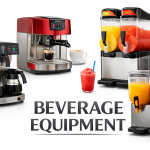
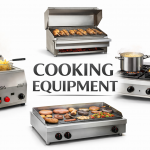
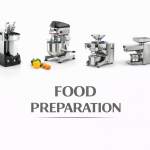
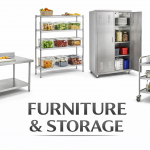

Yes. TurcoBazaar is a UK-based commercial kitchen equipment supplier, and we ship to the USA, Canada, Europe, the UK and worldwide. We regularly support restaurants, hotels, takeaways, food trucks, catering companies and commercial kitchens with international equipment supply.
Yes. Our equipment is CE certified and manufactured for professional commercial kitchen use. Many products are built to NSF-level hygiene and commercial-use expectations; however, NSF certification requirements may vary by model, country, state, province and local authority. Where required, we can support customers with technical documents for local checks.
Yes. Our products are designed for restaurants, hotels, takeaways, ghost kitchens, food trucks, cafes, commercial kitchens and professional catering businesses. TurcoBazaar focuses on durable commercial-grade equipment rather than low-quality disposable alternatives.
Depending on the model, equipment can be supplied or produced for LPG, Natural Gas, 110V, 220V or 380V operation. Available options can usually be selected directly on the product page before ordering.
Yes. Our equipment is CE certified and manufactured for professional commercial kitchen use, with strong focus on durability, hygiene, safety and international commercial standards.
Yes. TurcoBazaar provides professional after-sales support, technical guidance and spare parts support for commercial customers worldwide, including the UK, Europe, the USA and Canada.
Yes. We regularly support commercial customers across Europe and worldwide with efficient international shipping solutions. If shipping costs appear high at checkout, contact our team directly. In many cases we can review the destination, product size and freight options to provide a custom shipping quotation where possible.
TurcoBazaar supplies professional commercial kitchen equipment for restaurants, hotels, takeaways, food trucks and catering businesses worldwide.